Fetching Live Market Data...

The big money is not in the individual fluctuations, but in the main movements. That is, not in reading the tape but in sizing up the entire market and its trend.
Jesse Livermore – 1923
It’s showtime for Tesla, again. This time, it’s not a new EV model, but the latest dance moves from the Optimus humanoid robot and a backflip from Cyberdog 2. Wall Street and the entire internet immediately went into a frenzy, with headlines screaming “The Future is Here” and “Humans Will Be Replaced” 🤯. Retail investors, drooling over these meticulously edited videos, rush into the market, thinking they’re not just buying a stock, but a ticket to the year 2049. 😴 It’s the same story every time. Elon Musk paints a grand vision on stage, and his “believers” below empty their pockets on cue. They believe they have their finger on the pulse of our era, but in reality, they’re just watching a well-orchestrated puppet show. 🤦
The “Official Story”: A Fundamentalist’s Paradise
Wall Street adores this kind of “official story” because it’s sexy and incredibly easy to sell. They’ll tell you the humanoid robot market is a trillion-dollar blue ocean. According to a Goldman Sachs forecast, the global humanoid robot market will reach a staggering $154 billion by 2035. And Tesla, with its dual advantages in AI and manufacturing, is poised to be the undisputed king of this market.
In this narrative, there are three main players:
- 👑 The Leader: Tesla (TSLA)
- Core Advantage: The protagonist of the story is, of course, Tesla. Their “official advantage” is the synergy between their AI technology (from their Full Self-Driving system) and their mass-production capabilities (from their EV gigafactories). Wall Street analysts will tell you Tesla isn’t a car company; it’s an AI company. Their Optimus robot will leverage the FSD’s neural network to rapidly learn and adapt to various real-world tasks, from factory assembly lines to household chores. They claim the cost of Optimus can be driven below $20,000, far lower than competitors, signaling immense potential.
- Achilles’ Heel: But what this story omits is Tesla’s long history of missed deadlines. Whether it’s Full Self-Driving, the Roadster 2, or the Cybertruck, the delivery times for almost all products have been significantly delayed from their initial promises. The capabilities demonstrated by Optimus are still light-years away from any meaningful commercial application. This “sell the dream” development model is dangerously dependent on market euphoria and the CEO’s personal charisma. Once that halo fades, the bubble will burst.
- ⚔️ The Challenger: Boston Dynamics (owned by Hyundai)
- Core Advantage: When you talk about robots, you can’t ignore Boston Dynamics. Their Atlas humanoid robot and Spot robot dog are, technologically speaking, the most advanced publicly demonstrated products. Their robots can run, jump, and do backflips, performing a variety of jaw-dropping maneuvers. Their core advantage is over a decade of R&D and technological accumulation, making them the industry benchmark in dynamic balancing and environmental perception.
- Achilles’ Heel: However, Boston Dynamics’ biggest problem is commercialization. Their technology is top-tier, but the costs are exorbitant, and they have yet to find a scalable use case. The Spot dog sells for tens of thousands of dollars and is primarily used by research institutions or large corporations for niche inspection tasks. The market is tiny. They are like a martial arts master who is amazing to watch but can’t make a living from their skills.
- 🐘 The Incumbent: ABB / Fanuc
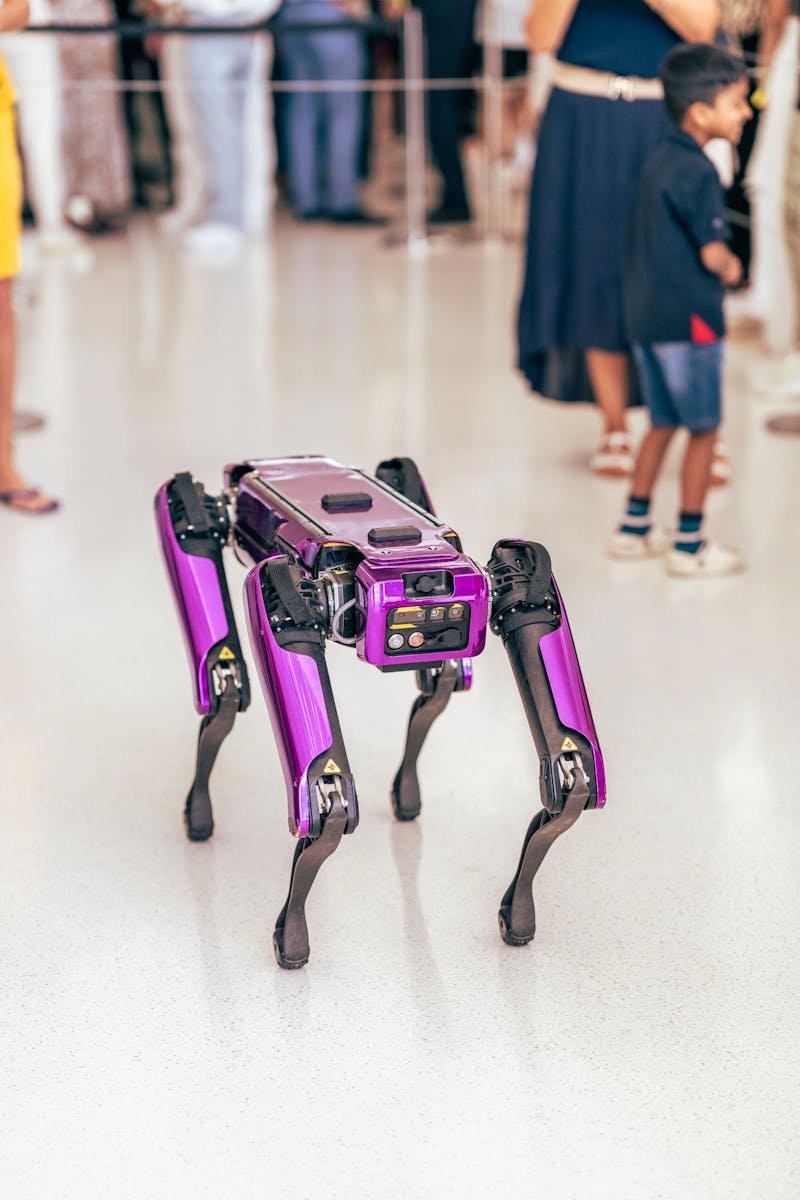
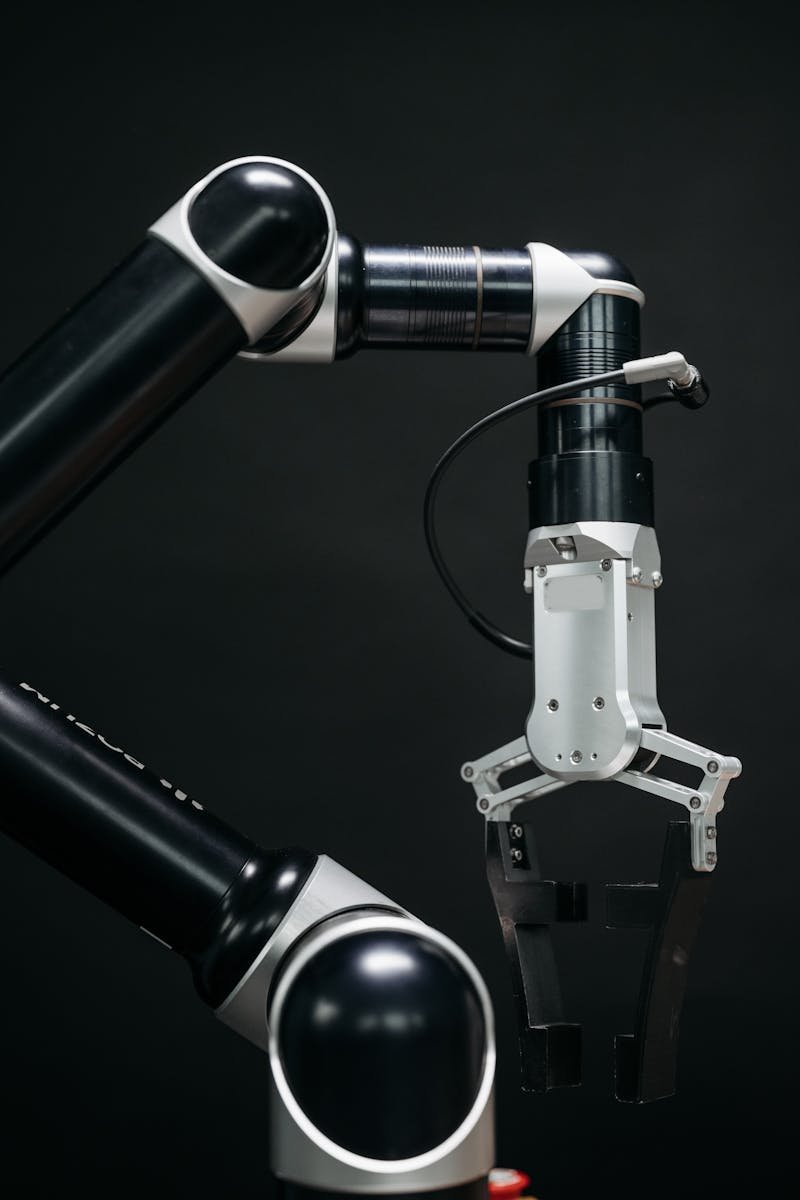
- Core Advantage: These traditional industrial robotics giants have been deeply entrenched in factory automation for decades. Their robotic arms are on production lines in major factories worldwide, known for their stability, reliability, and precision. Their core advantage is a massive customer base, a mature sales network, and a profound understanding of industrial application scenarios. They don’t need to sell a dream because they are already the backbone of industrial automation.
- Achilles’ Heel: But their weakness is just as apparent: they are “clumsy” and lack intelligence. Their robots can typically only perform a single, repetitive task in a predefined environment. If the scenario changes, they require extensive reprogramming, offering very low flexibility. Faced with Tesla’s vision of using general-purpose humanoid robots to disrupt task-specific robotic arms, these incumbents appear slow to react and lacking in innovation.
The Critical Twist: The Chart is the Only Truth
But does any of this actually matter? whether it’s Tesla’s trillion-dollar blueprint, Boston Dynamics’ bleeding-edge tech, or ABB’s industrial empire, this is all just “storytelling.” These stories are designed to soothe you, to make you feel like you’ve done your homework and made a rational investment decision. But the truth is, all of it is a “rear-view mirror.” When you’re reading press releases and analyst reports, you’re looking at things that have already happened. And the market never, ever pays for the past.
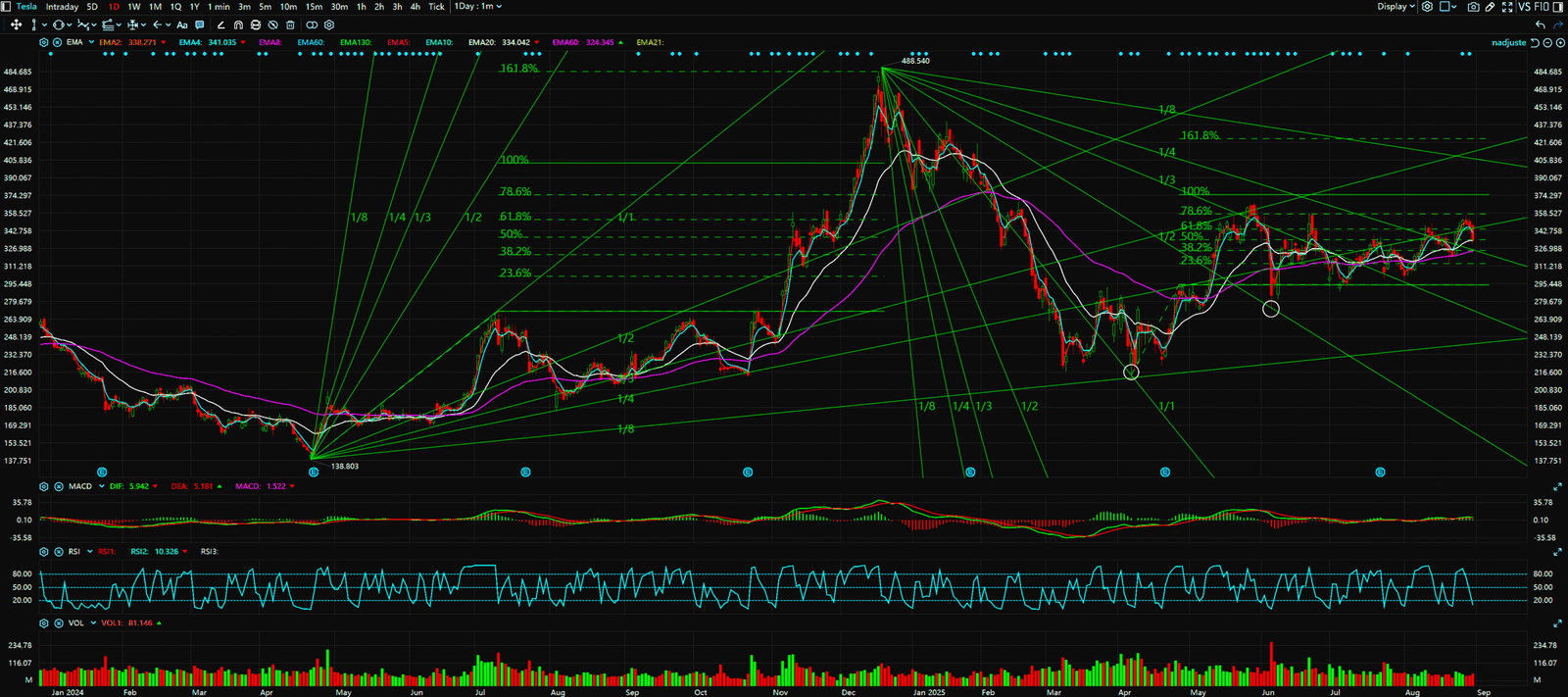
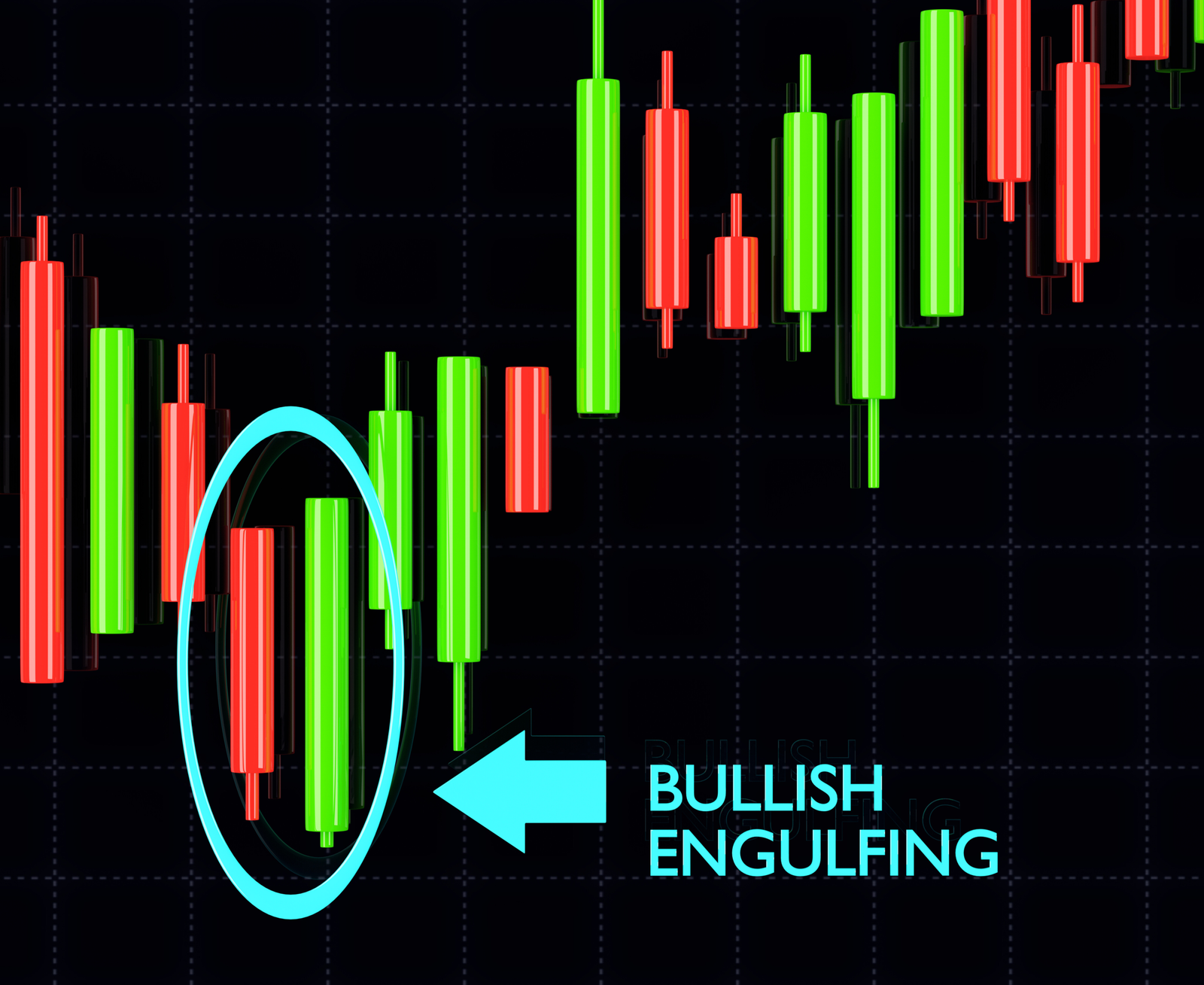
A true Navigator doesn’t listen to these scripts written by Wall Street. They know that the only truth in the market is found in one place: the chart. Every candlestick, every bar of volume on that chart is a “footprint” left by the flow of institutional capital. These footprints don’t lie.
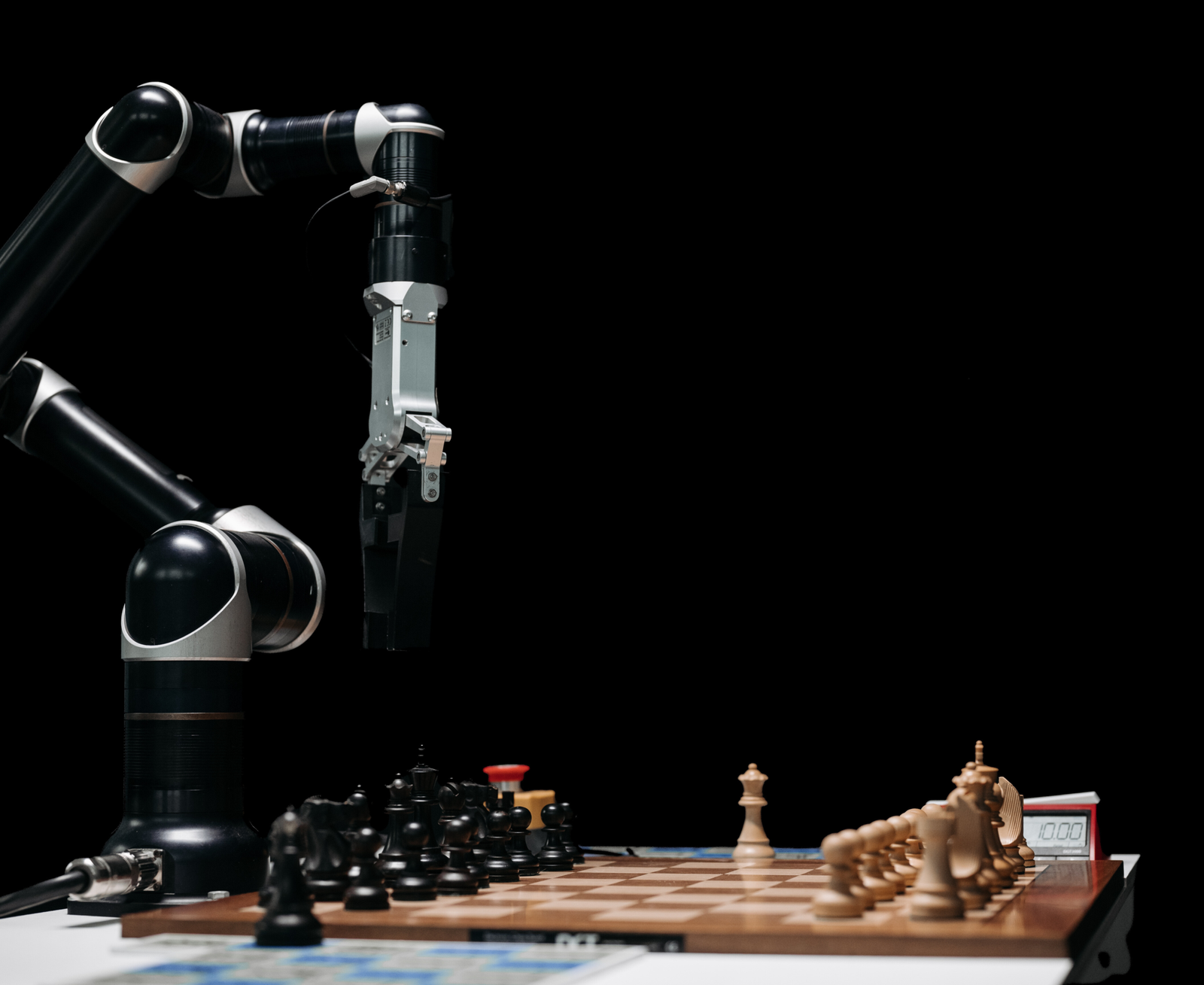
Here’s a thought experiment: Imagine next week, Tesla suddenly announces a major technical bottleneck in the Optimus project, delaying it by three years. What do you think comes first? The news headline, or the reaction on the chart? The answer is obvious. Before that announcement is public, the informed “smart money” will have already started heading for the exits. Their selling will be crystal clear in a breakdown of the stock price and an abnormal spike in volume. By the time you read the “bad news,” the stock might already be down 20%. The Navigators will have already taken their profits at the top, while you, the news-reading sheep, are left holding the bag.

Conclusion: Stop Being the Sheep. Learn to Read the Map.
So, which path will you choose? Will you continue to be a sheep, chasing news headlines and feeding on the breadcrumbs left by the institutions? Or will you become a Navigator, armed with a map, following the footprints of capital to make your move?
Fundamental analysis is a carefully constructed illusion designed to make you a confident bagholder when the big players are ready to sell. The Tesla robot story, whether it ultimately succeeds or fails, is, for now, merely a tool to manipulate market sentiment. The real game isn’t about the future of robotics; it’s about the battle of capital on the charts.
Stop being blinded by the “official story.” If you want to take control of your financial destiny, the only way is to learn the “real rules of the game.” Visit our website to learn how to decode the language of capital on the charts. Stop being a sheep. It’s time to become a Navigator.
Sources:
- Goldman Sachs Research, “The Humanoid Robot Market Report,” 2024.
- Boston Dynamics Official Website, Product Specifications.
- ABB Robotics, Annual Report 2023.
- Tesla, Inc. SEC Filings.
Unlocking Technical Analysis: Power Moves with Diagrams
Daily Timeframe (TSLA)